Introduction to HVAC Maintenance for Beginners
As a homeowner in Santa Clara, Utah, ensuring the efficient operation of your HVAC system is crucial for comfort and cost-effectiveness. The arid climate can strain your system, making regular maintenance even more important. Luckily, you don't need to be a professional to perform basic upkeep. In this guide, we'll walk you through beginner-friendly HVAC maintenance tips that will keep your system running smoothly in 2026.
Understanding Your HVAC System
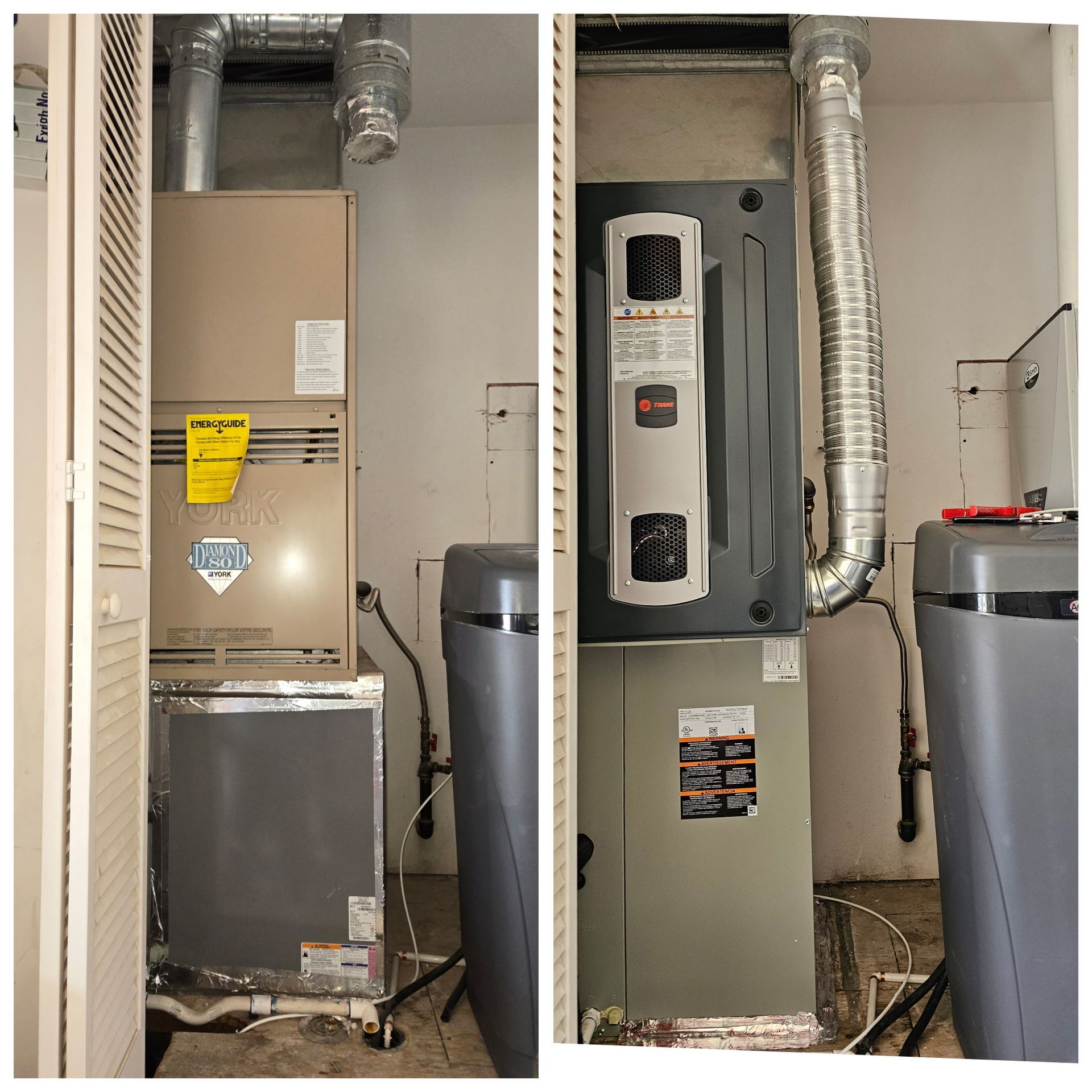
Before diving into maintenance tasks, it's essential to understand the components of your HVAC system. Most systems consist of a furnace or heat pump, an air conditioner, and a series of ducts that distribute air throughout your home. Familiarize yourself with these parts to better grasp the maintenance tasks ahead.
Key Components Explained
- Thermostat: Controls the temperature settings and can often be programmed for efficiency.
- Air Filter: Traps dust and debris, ensuring clean air circulates in your home.
- Evaporator and Condenser Coils: Critical for heat exchange in cooling and heating.
- Ductwork: Channels through which heated or cooled air travels.
Essential HVAC Maintenance Tasks
Now that you're acquainted with your system, let's explore some straightforward maintenance tasks that can enhance performance and extend equipment life.
1. Regularly Replace Air Filters
Changing your air filter is one of the simplest yet most effective maintenance tasks. A clogged filter can reduce airflow, forcing your system to work harder and increasing energy costs. For Santa Clara homes, where dust is prevalent, check and replace filters every 1-2 months.
2. Clean Around the Outdoor Unit
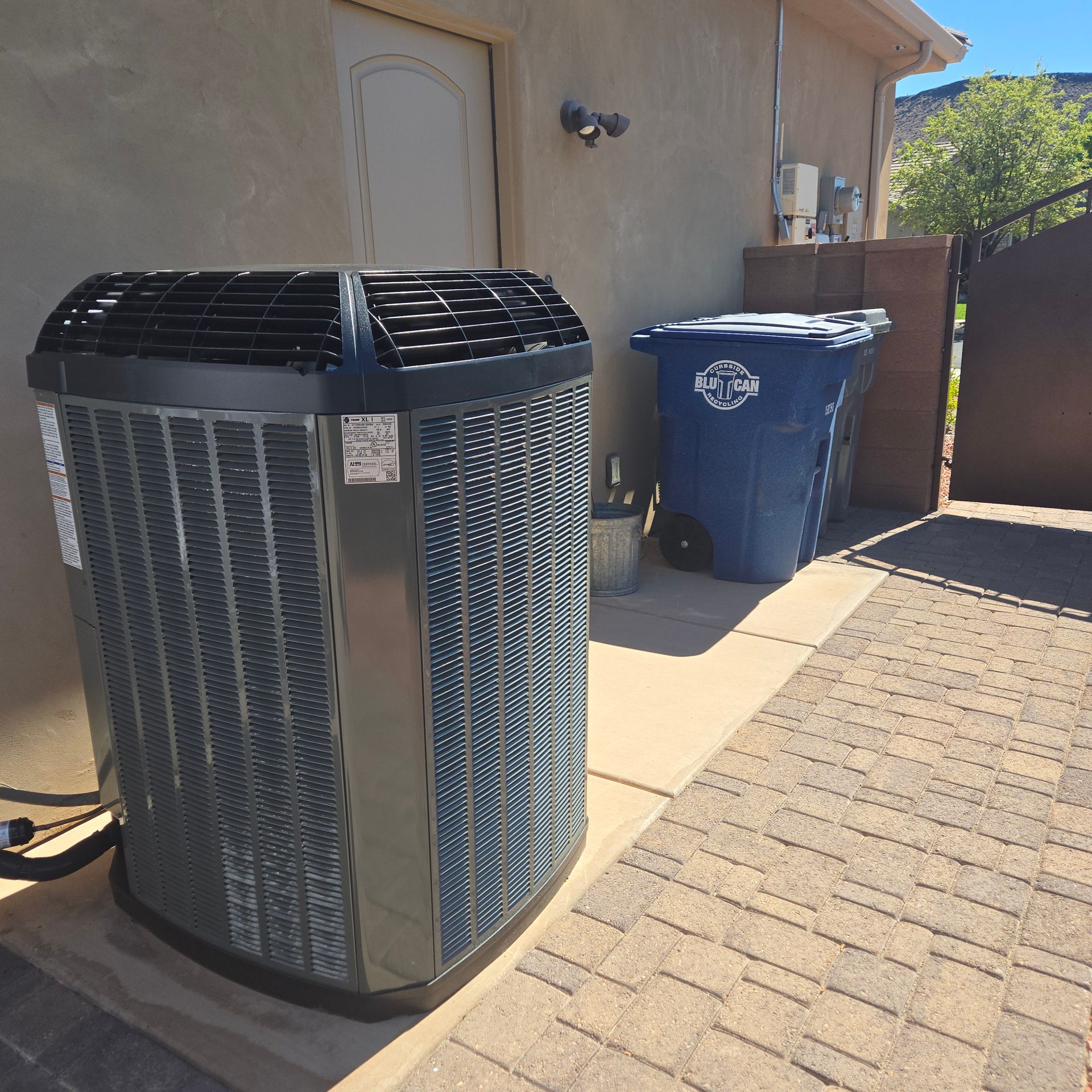
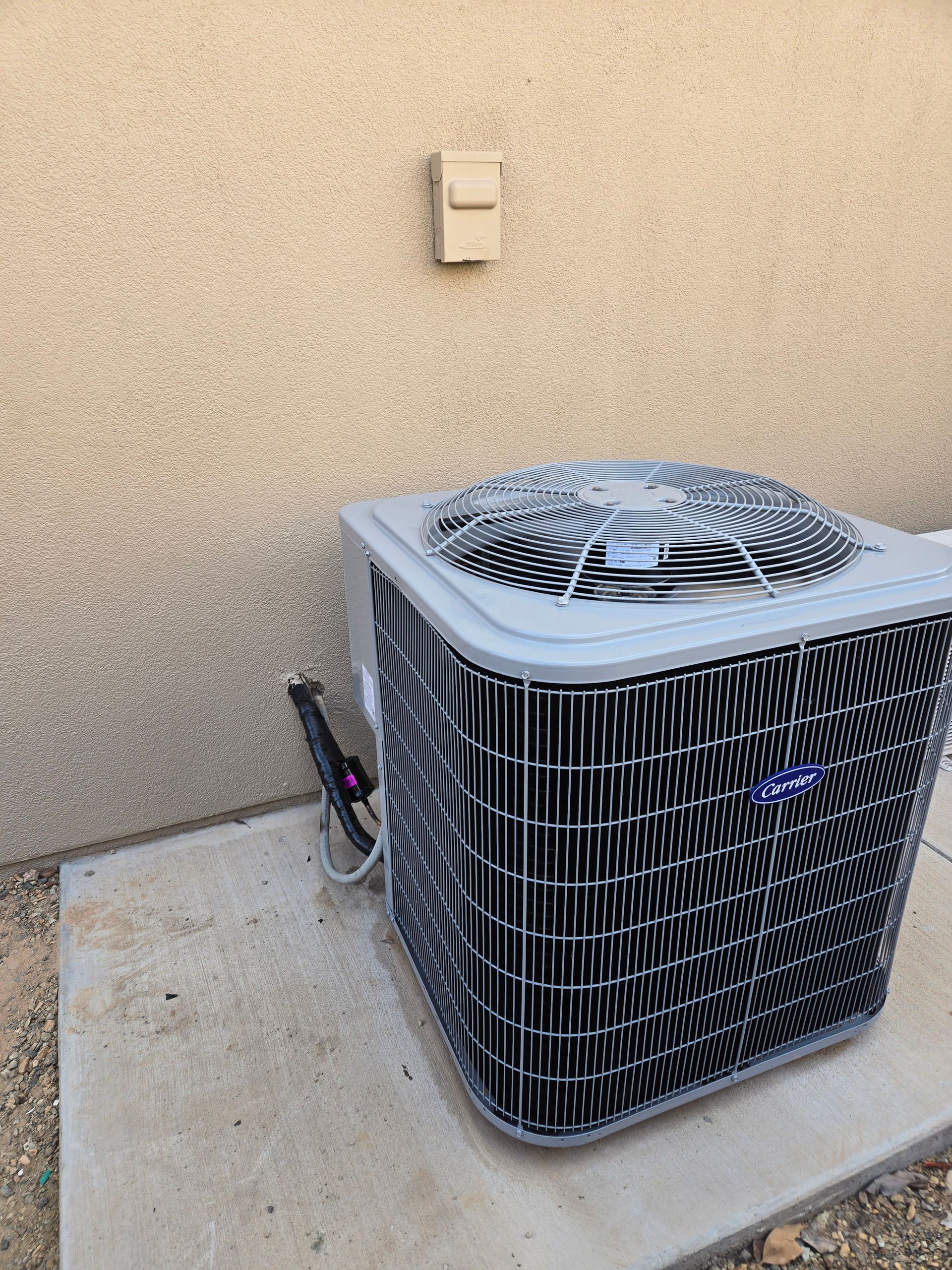
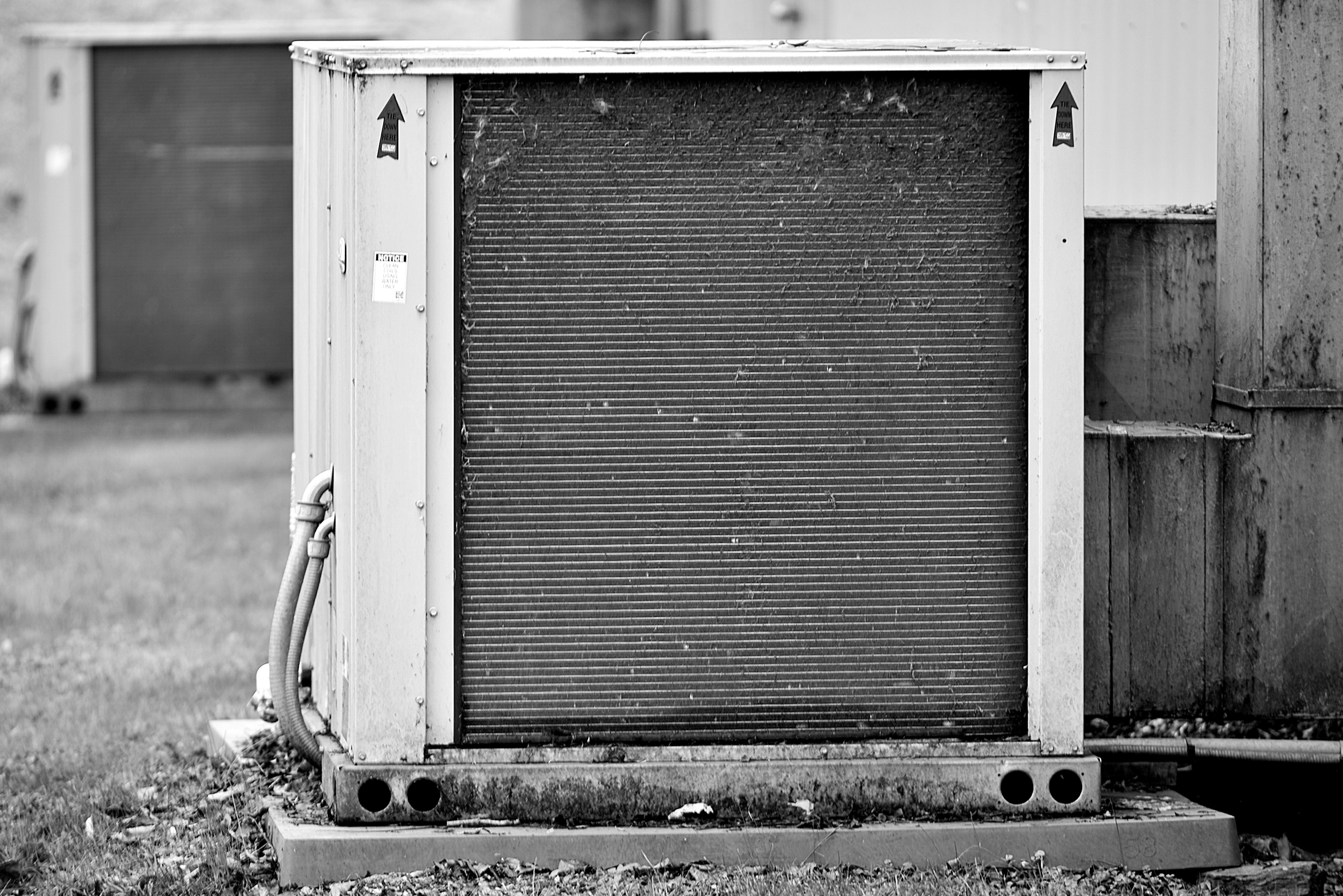
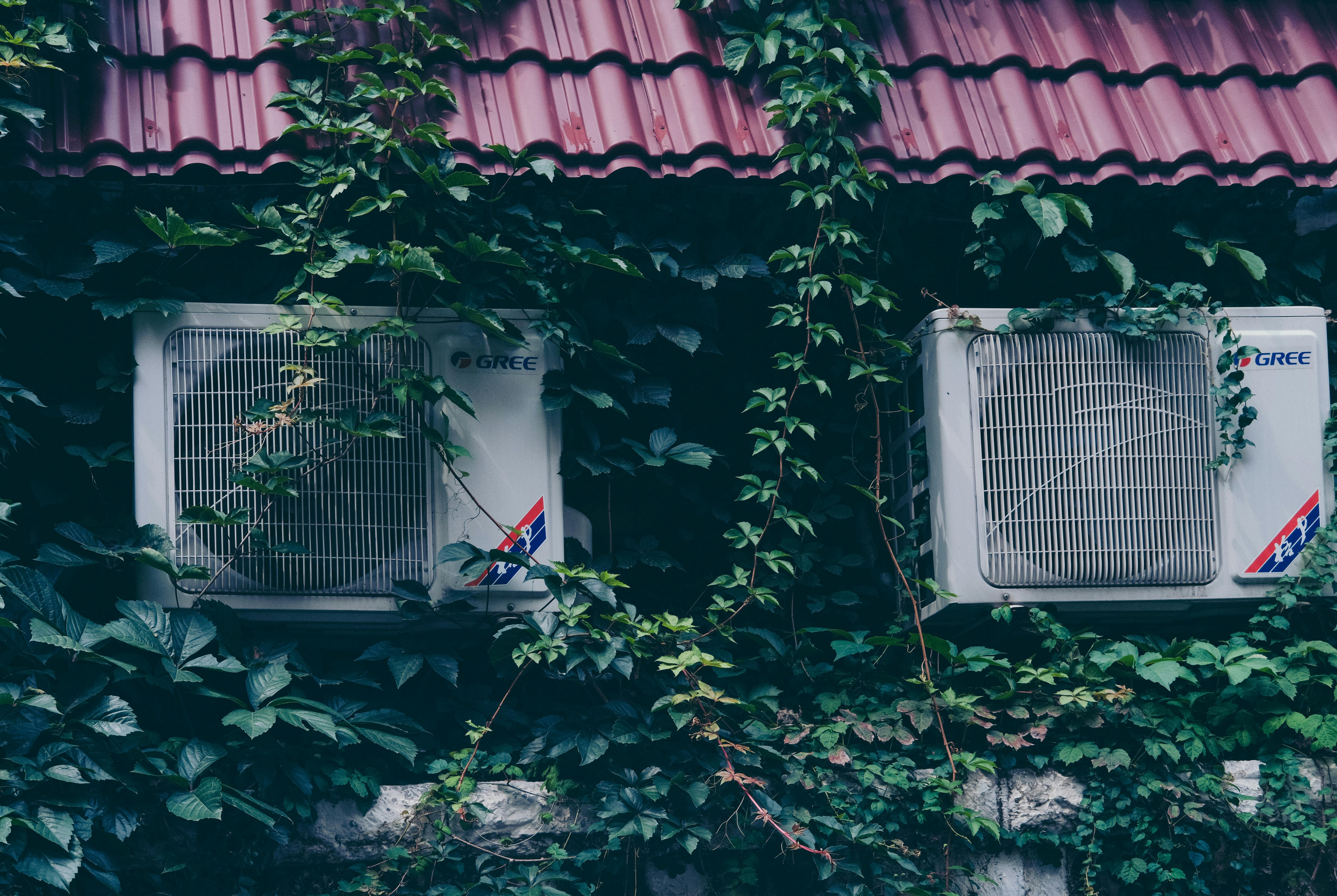
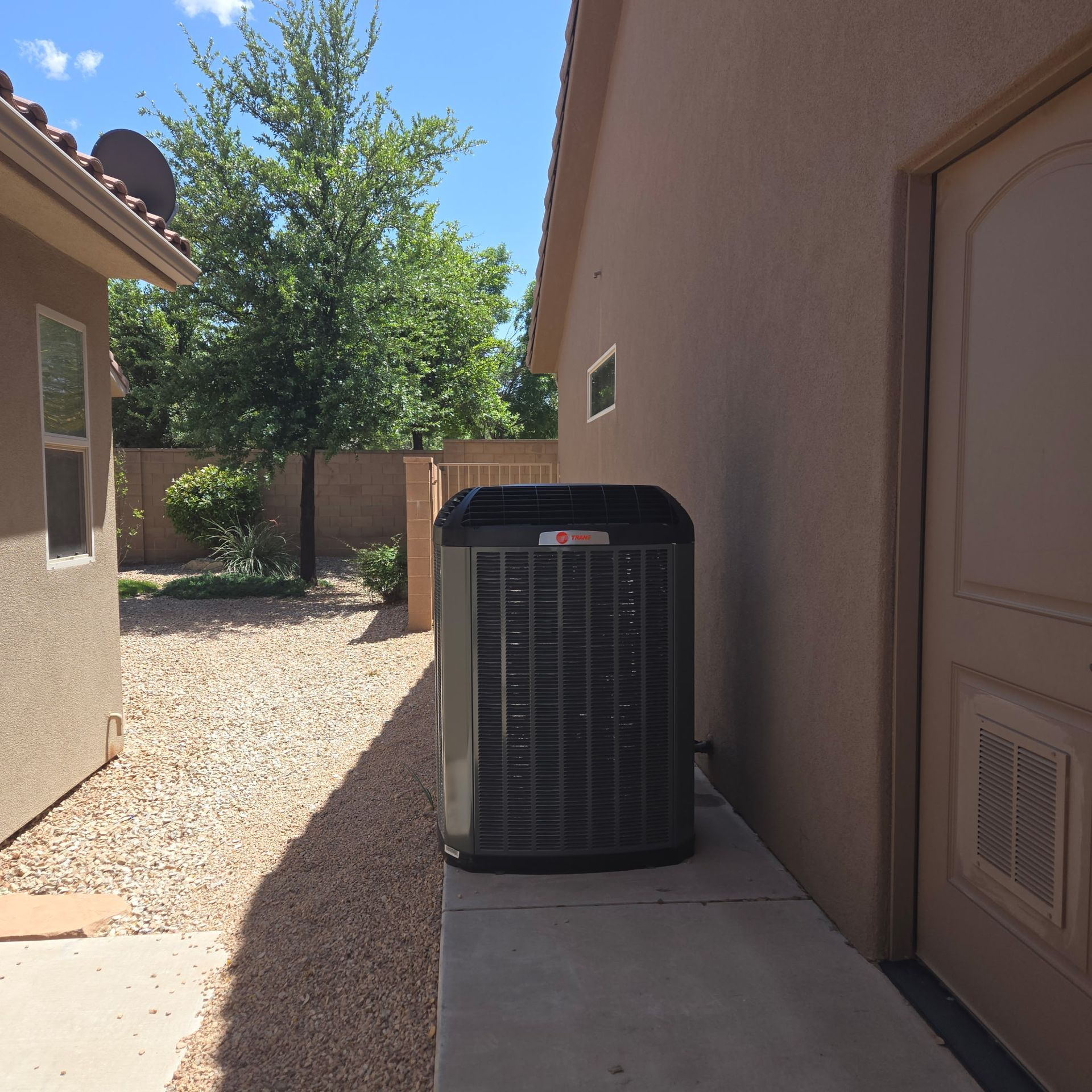
Your outdoor condenser unit should be free of debris and vegetation. Clear a two-foot perimeter around the unit to ensure optimal airflow. Use a garden hose to gently wash away dirt, but avoid using high pressure that could damage the fins.
3. Inspect and Clean Ductwork
Dust and debris in ductwork can impede airflow and reduce system efficiency. While a full professional cleaning isn't necessary every year, inspecting ducts for visible dust and blockages can help maintain airflow. Vacuum accessible areas with a hose attachment.
4. Check Thermostat Settings
Ensure your thermostat is set to optimal temperatures for the season. In 2026, smart thermostats offer advanced programming features that can significantly save on energy costs. Consider upgrading if you haven't already.
5. Monitor System Performance
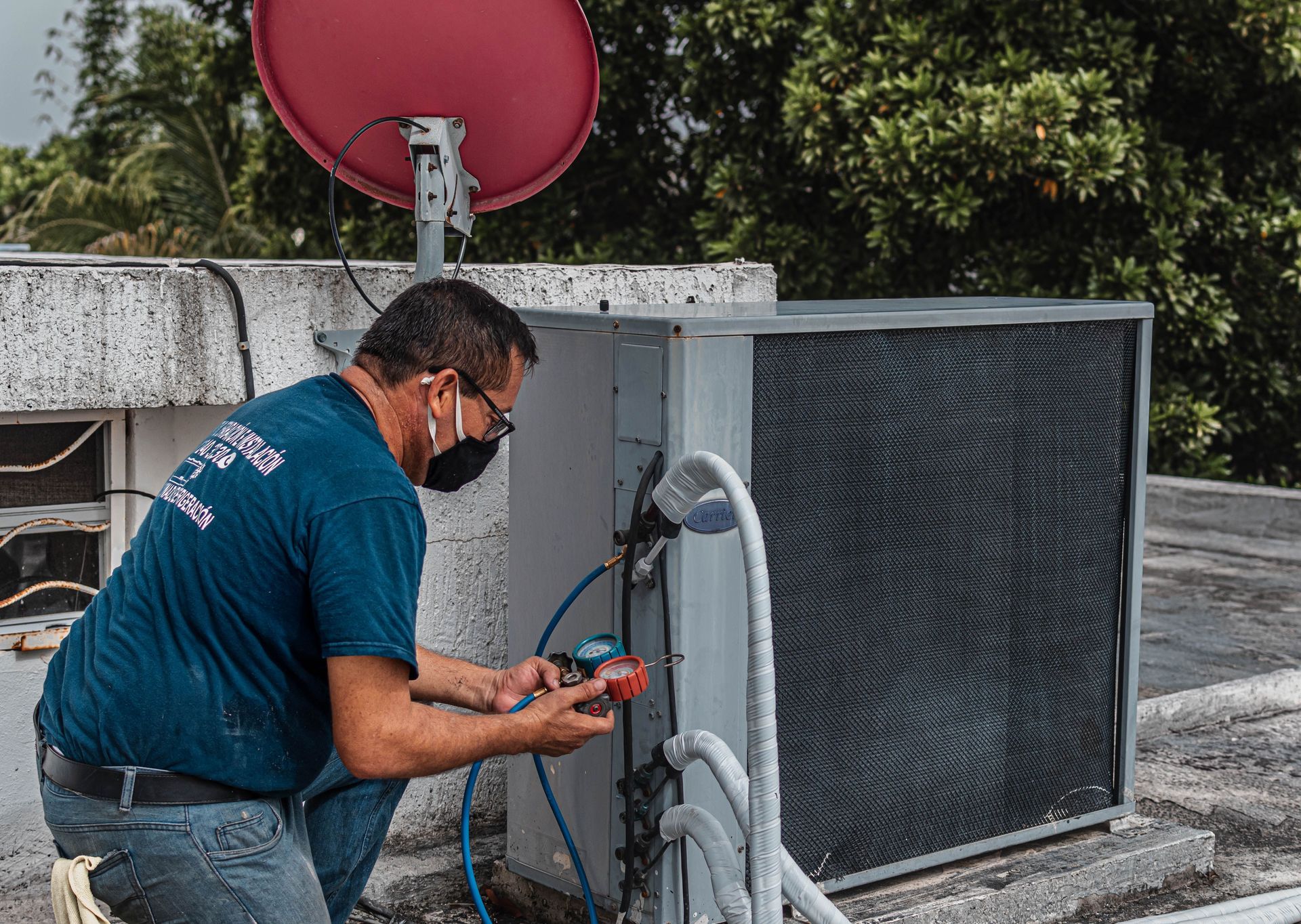
Pay attention to unusual noises or smells coming from your HVAC system. These could signal larger issues that may require professional attention. Regularly listening and observing can help catch problems early.
When to Call a Professional
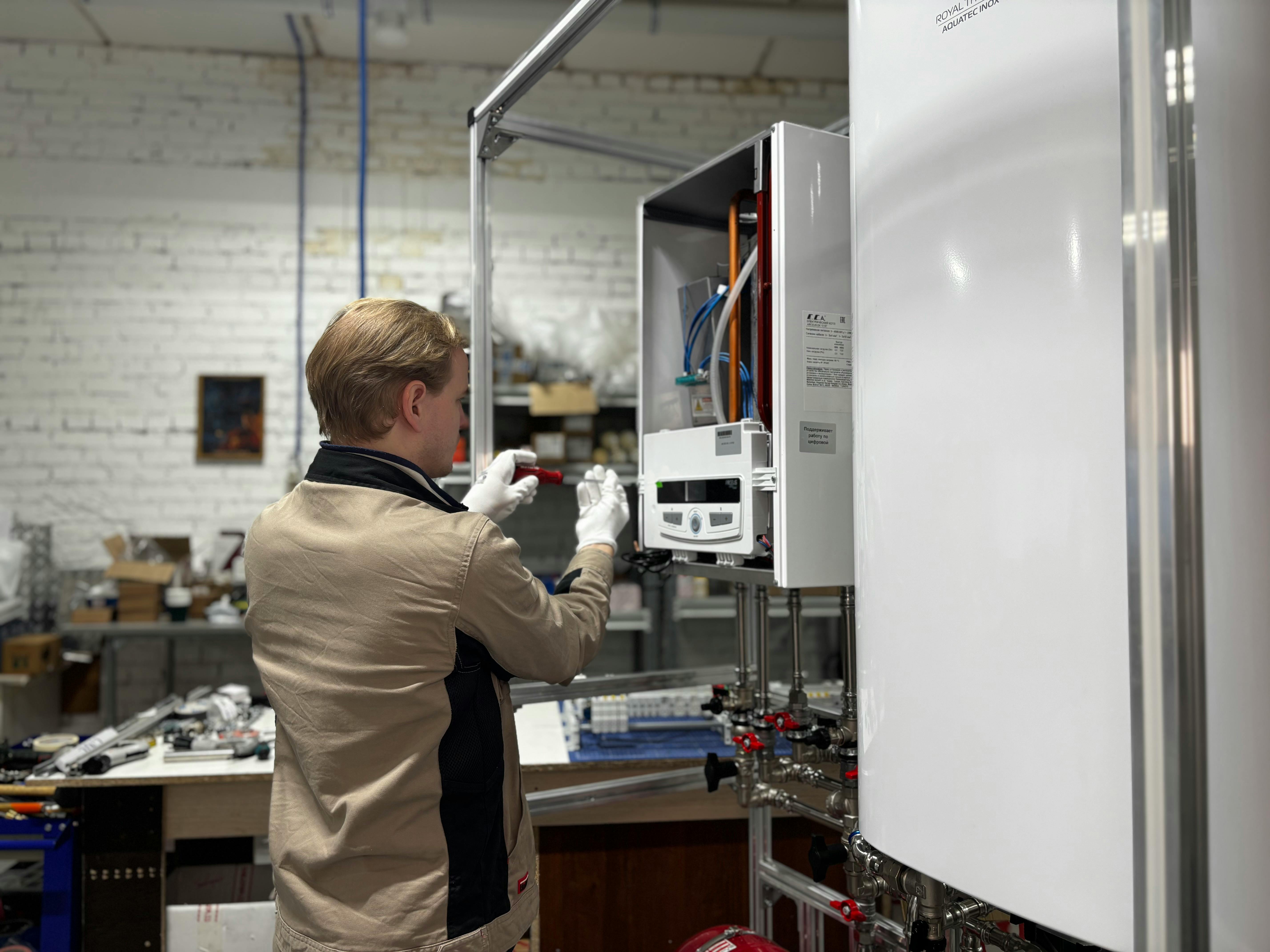
While DIY maintenance can address many issues, some situations warrant professional expertise. If you notice frequent system cycling, inconsistent temperatures, or spikes in energy bills, it's time to consult an HVAC technician. Payless Heating and Air offers comprehensive inspections and repairs tailored to Santa Clara's unique climate needs.
Benefits of Regular HVAC Maintenance
Consistent upkeep of your HVAC system offers numerous advantages, including:
- Improved Efficiency: A well-maintained system uses less energy, reducing your utility bills.
- Extended Equipment Lifespan: Regular care prevents wear and tear, prolonging the life of your HVAC components.
- Enhanced Air Quality: Clean filters and ducts contribute to healthier indoor air, crucial for respiratory health.
- Increased Comfort: A system in peak condition provides consistent and comfortable temperatures throughout your home.
Conclusion
Maintaining your HVAC system doesn't have to be daunting. With these beginner-friendly tips, Santa Clara homeowners can ensure their systems run efficiently, providing comfort and savings throughout the year. For more complex issues or routine professional maintenance, trust Payless Heating and Air to keep your home environment at its best. Contact us today to learn more about our services tailored for 2026 and beyond.
Additional Resources
For more information on HVAC maintenance, visit our blog or consult the U.S. Department of Energy's guide for further reading.