Introduction to HVAC Systems
For many homeowners in Santa Clara, Utah, heating, ventilation, and air conditioning (HVAC) systems are essential to maintaining a comfortable home environment. However, the technical jargon often associated with these systems can be intimidating. In this guide, we'll break down complex HVAC concepts into simple terms, empowering you to better understand and manage your home's system.
What is an HVAC System?
Let's start with the basics. An HVAC system is designed to manage the heating, cooling, and air quality in your home. It consists of several components that work together to regulate temperature and ensure clean air circulation.
Key Components Explained
- Thermostat: Often considered the brain of your HVAC system, the thermostat allows you to set and control the desired temperature.
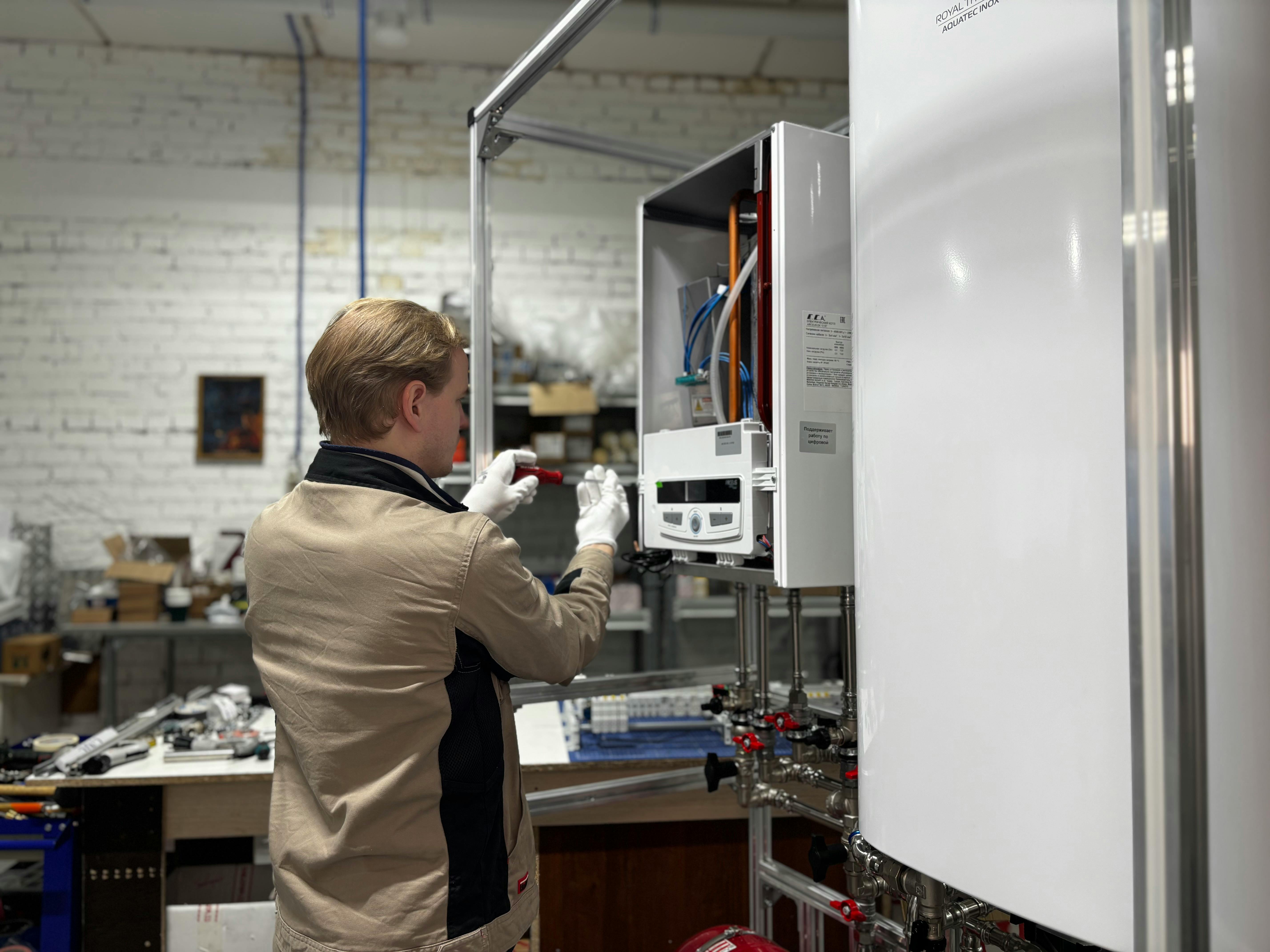
- Furnace: This component heats the air during colder months. It typically uses gas, oil, or electricity as fuel.
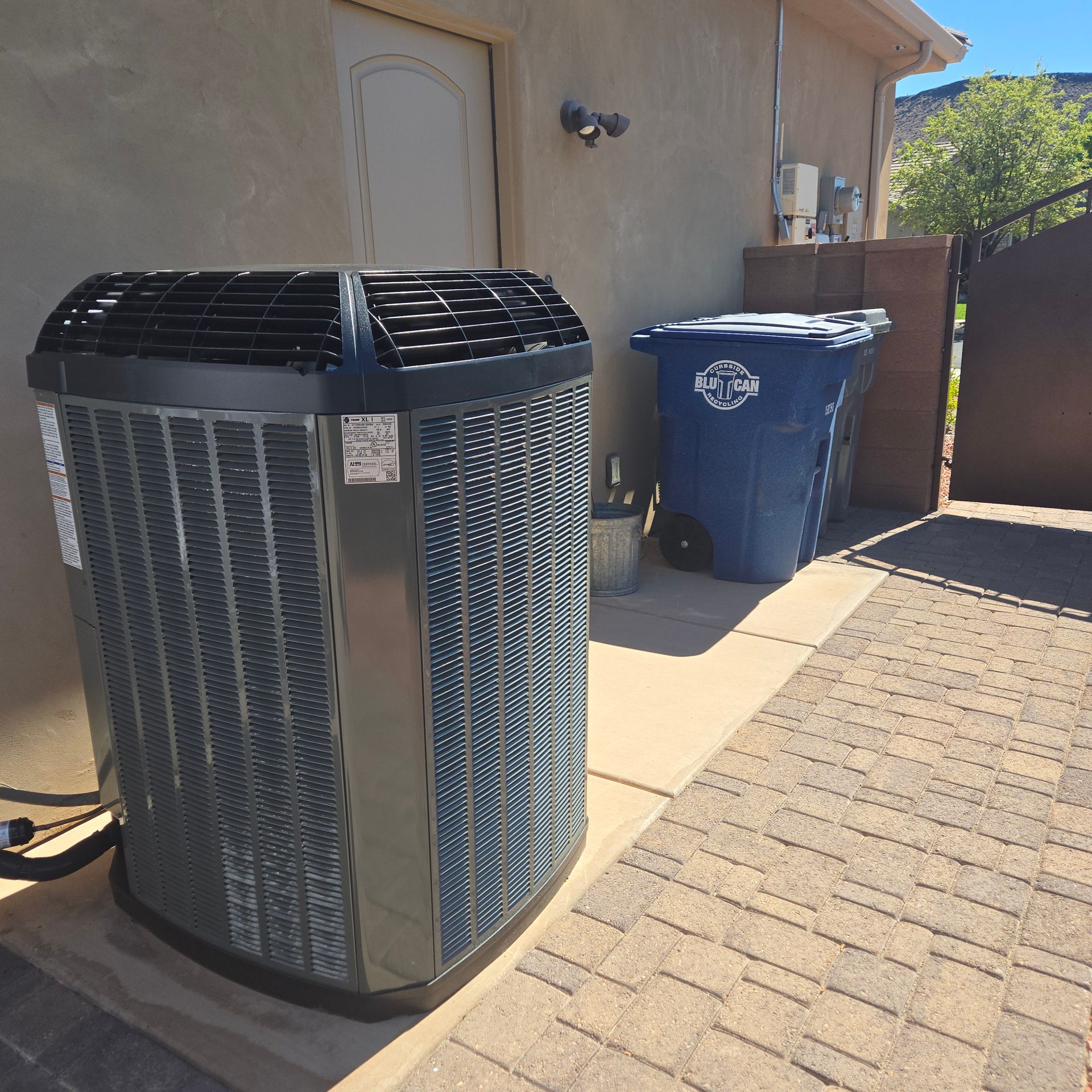
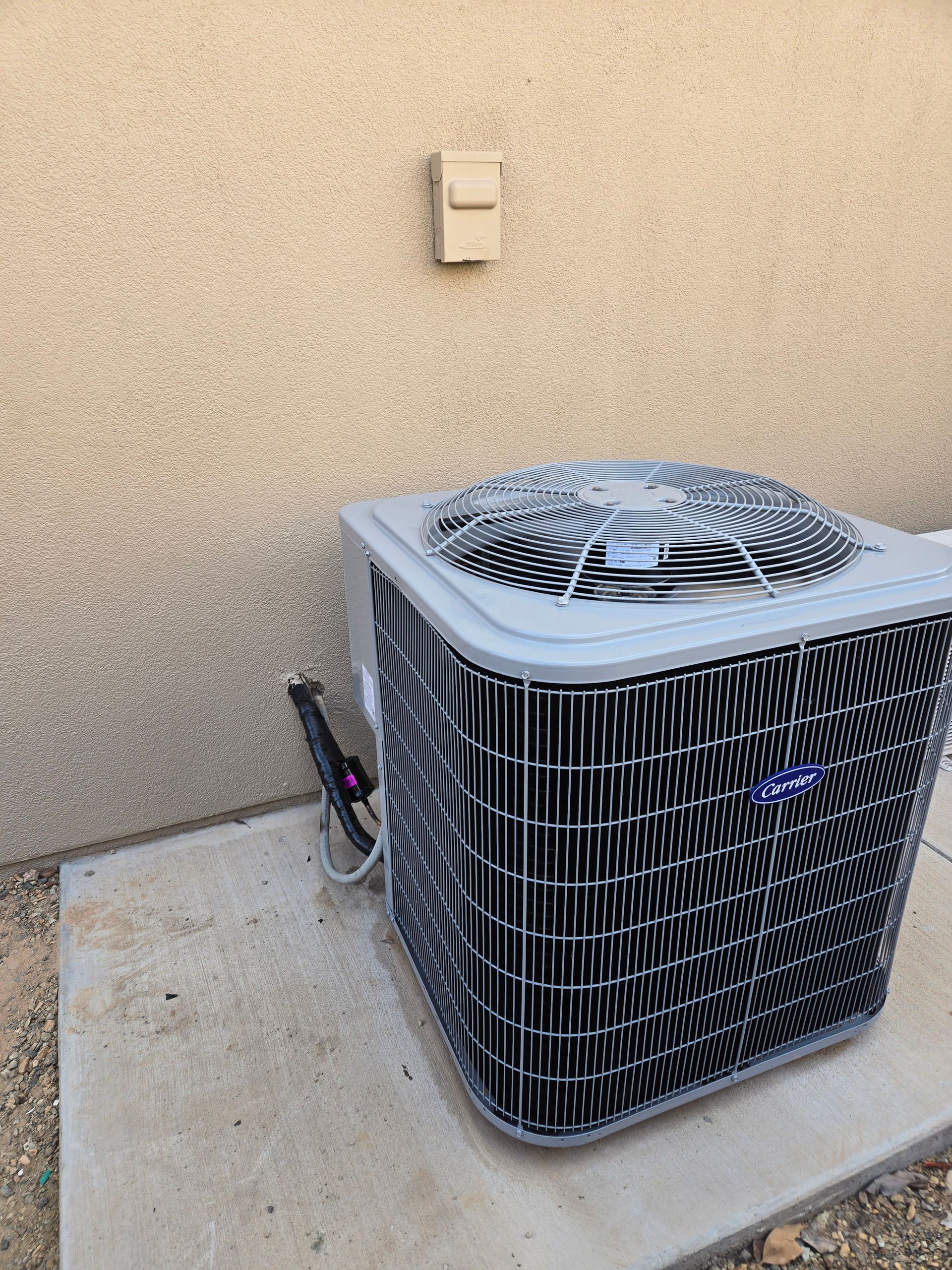
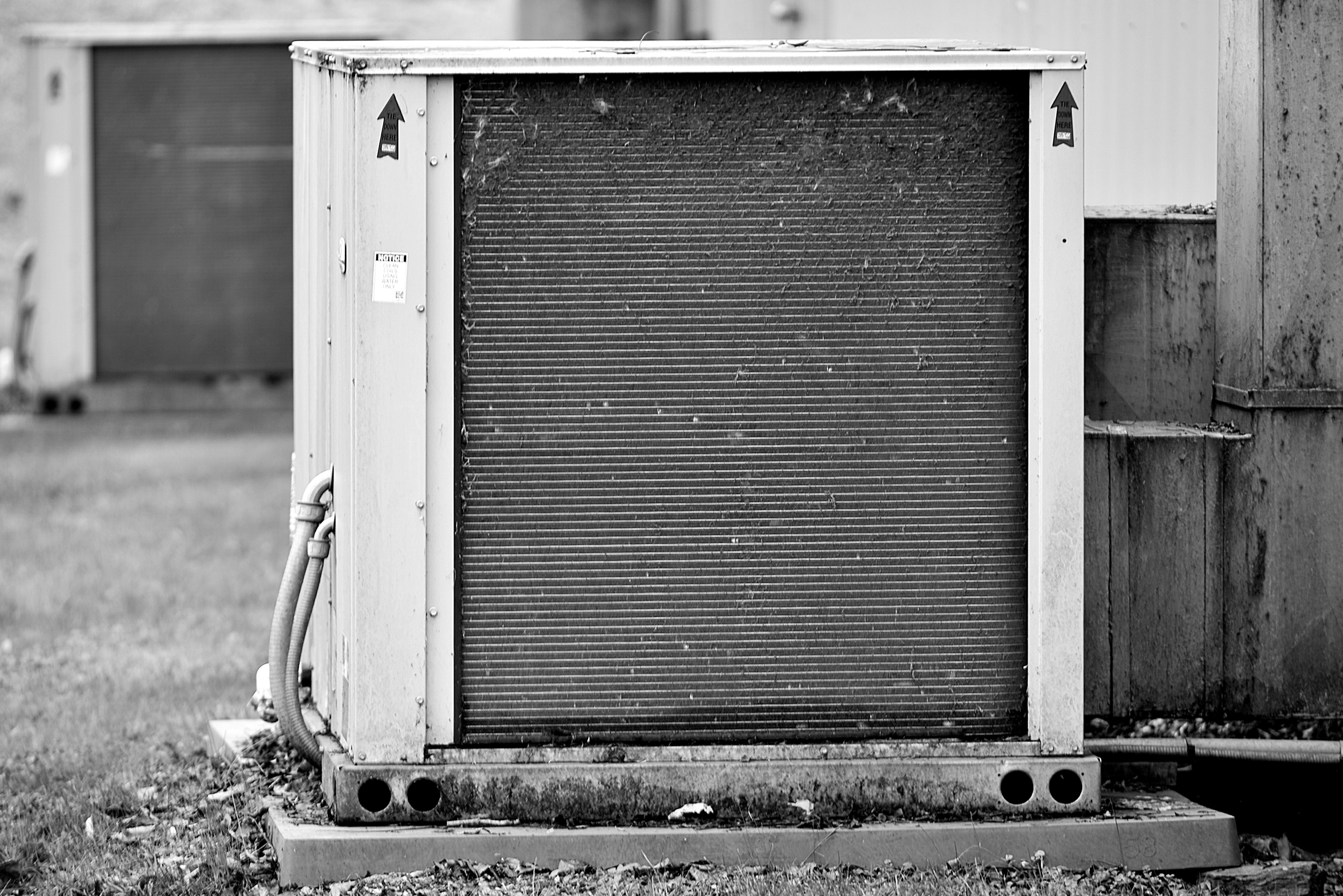
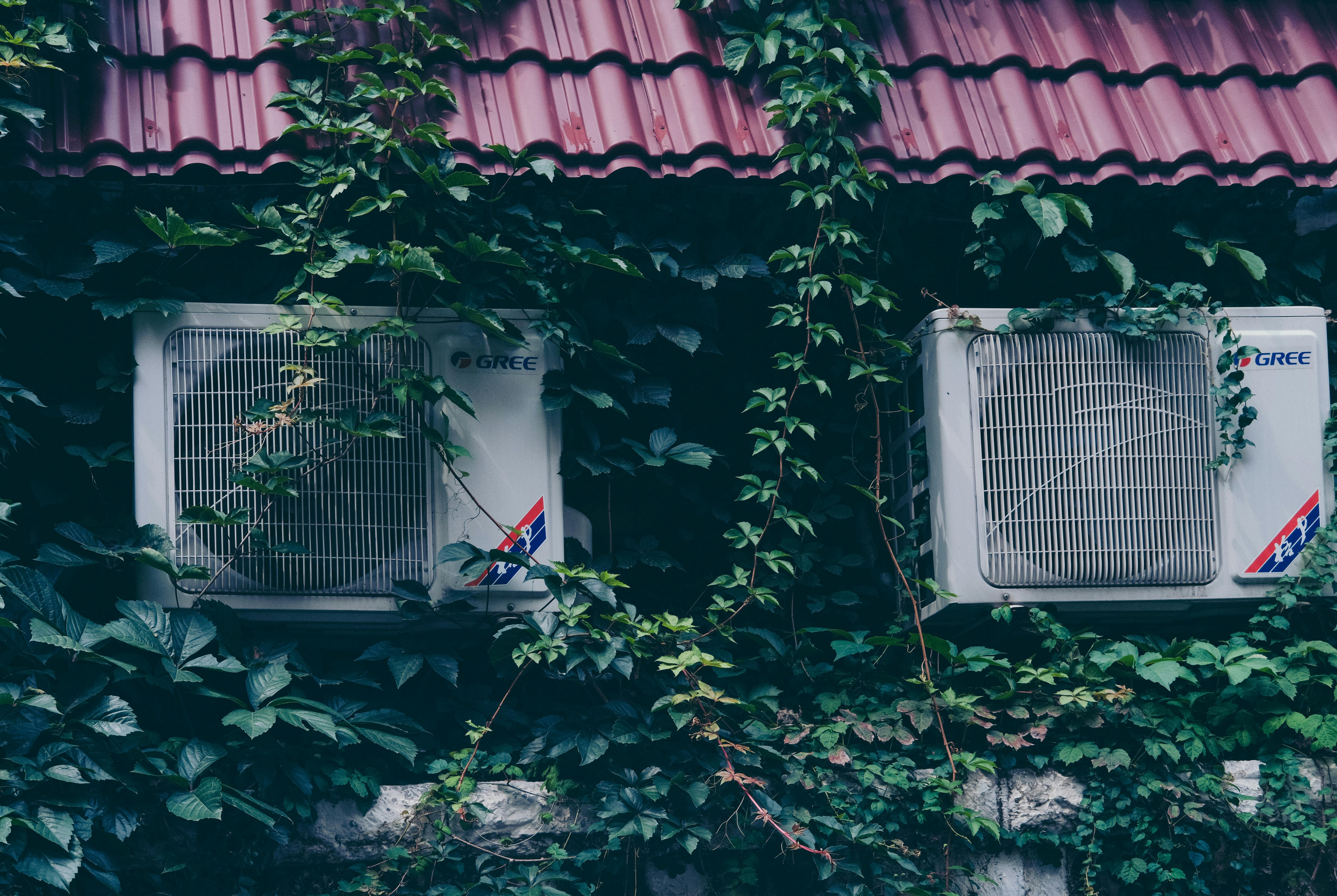
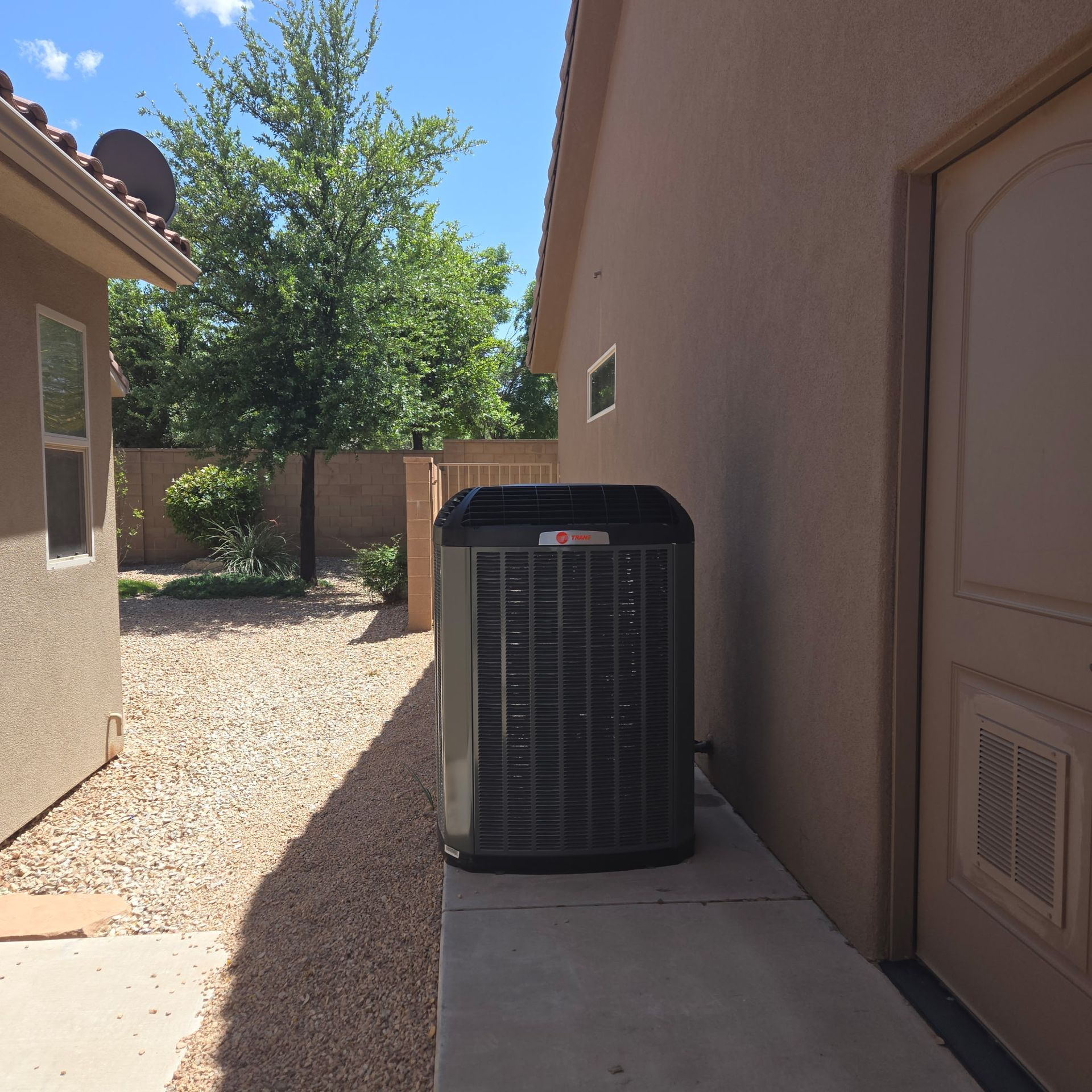
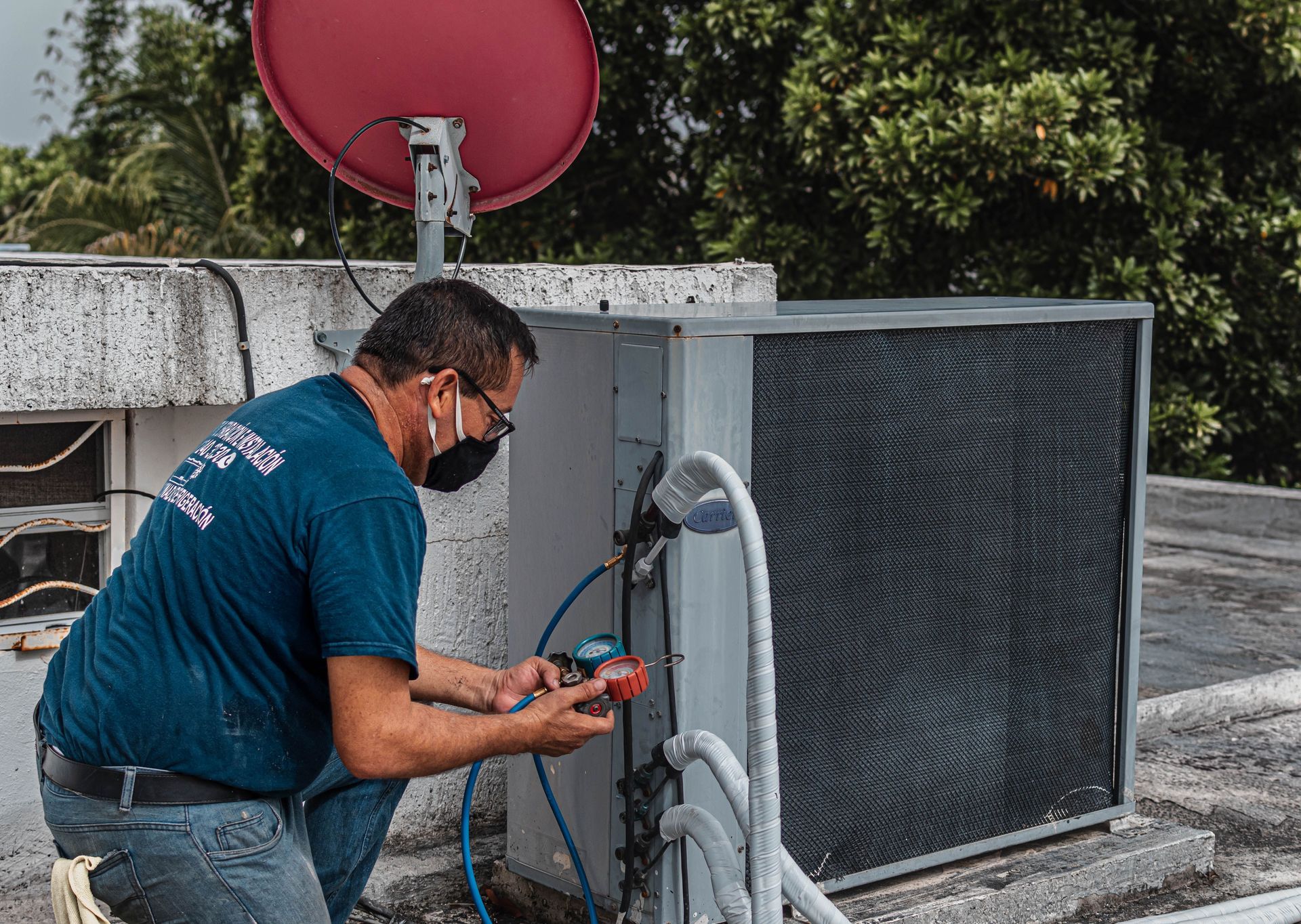
- Air Conditioner: The air conditioner cools the air in your home by removing heat and moisture, usually through a process that involves refrigerant and a compressor.
- Ductwork: These are the channels that distribute heated or cooled air throughout your home.
- Ventilation: An integral part of maintaining indoor air quality by exchanging indoor air with fresh outdoor air.
How Do HVAC Systems Work?
Understanding how your HVAC system works can help you troubleshoot issues and improve efficiency. Here's a simplified explanation:
When your home needs heating, the thermostat signals the furnace to turn on. The furnace then generates heat using its fuel source and distributes it through the ductwork. Conversely, when cooling is required, the thermostat triggers the air conditioner. The air conditioner extracts heat from the indoor air and expels it outside, cooling the air before circulating it back into your living space.
Common HVAC Issues and Solutions
Even well-maintained systems can develop issues over time. Here are some common problems and their solutions:
Inconsistent Temperatures
If some rooms are too hot or too cold, check for blocked vents or leaky ductwork. Regular maintenance can prevent these issues.
Unusual Noises
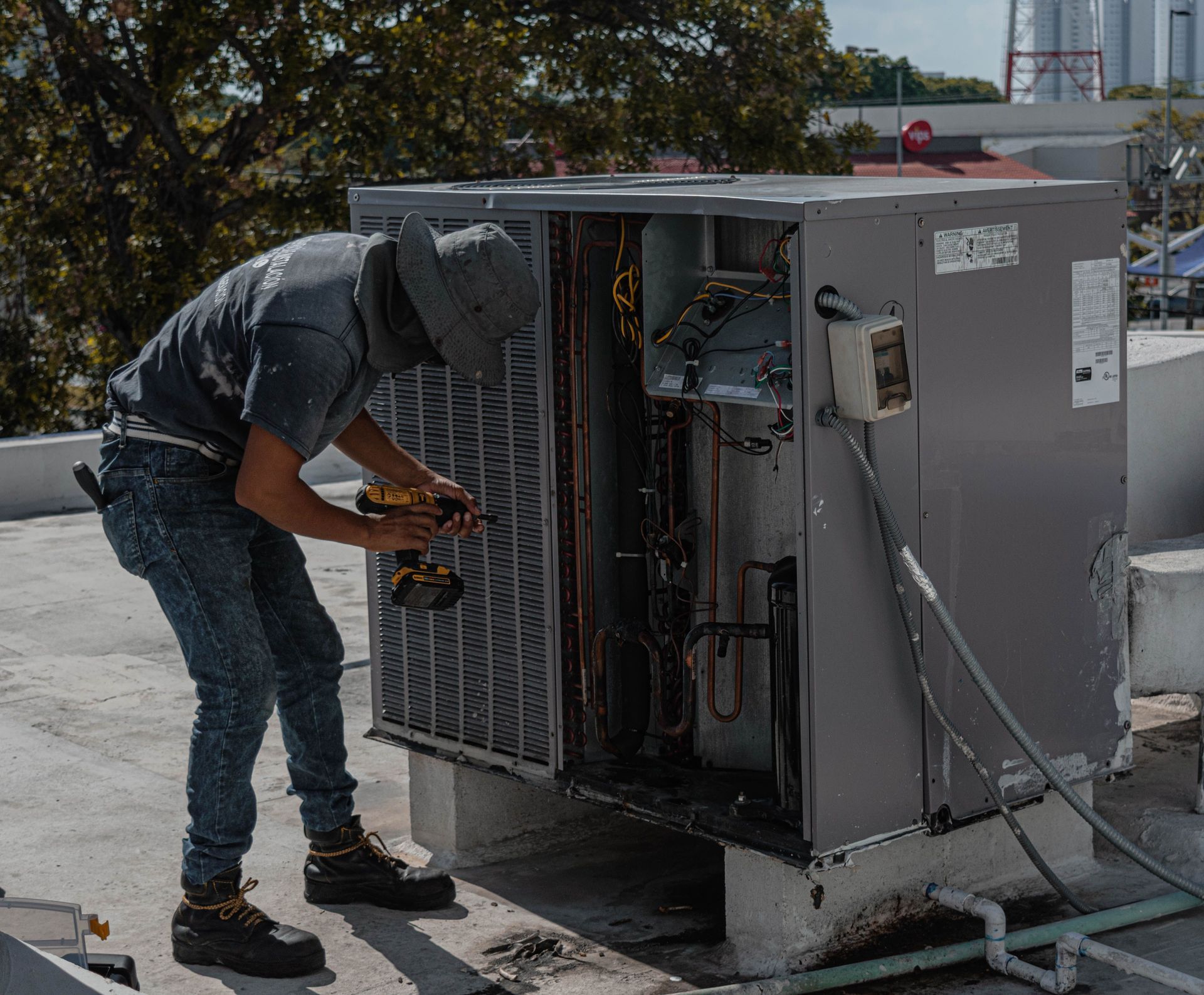
Noises such as banging or rattling can indicate loose components or debris in the system. Schedule a professional inspection to diagnose and fix the issue.
Poor Air Quality
Dusty or stale air can result from clogged filters or inadequate ventilation. Replace filters regularly and consider upgrading to a system with better air purification capabilities.
Energy Efficiency Tips
Improving your system's efficiency can save on energy bills and extend its lifespan. Here are some tips:
- Regular Maintenance: Schedule professional maintenance annually to ensure optimal performance.
- Programmable Thermostat: Use a programmable thermostat to automatically adjust temperatures based on your schedule.
- Seal Leaks: Ensure that your home's insulation and ductwork are properly sealed to prevent air leaks.
Conclusion
Understanding the basic components and functions of your HVAC system can make a significant difference in how effectively you manage your home's comfort. By simplifying technical concepts, we hope to empower Santa Clara homeowners to take proactive steps in maintaining their systems. For any professional needs or further assistance, Payless Heating and Air is here to help you keep your home comfortable year-round.
For more information on HVAC maintenance and services, feel free to contact us or explore our services page.